

Telly Faves - The Good Life

Running for just four series and two specials between 1975 and 1978, John Esmonde and Bob Larbey's sit-com about a couple attempting to build a self sufficient life in the midst of suburbia remains one of the more beloved British comedies.
With the sad loss of one of my heroes, Penelope Keith, I took the chance to revisit this most quintessential of sit-coms and found myself considering why it remains so utterly perfect.
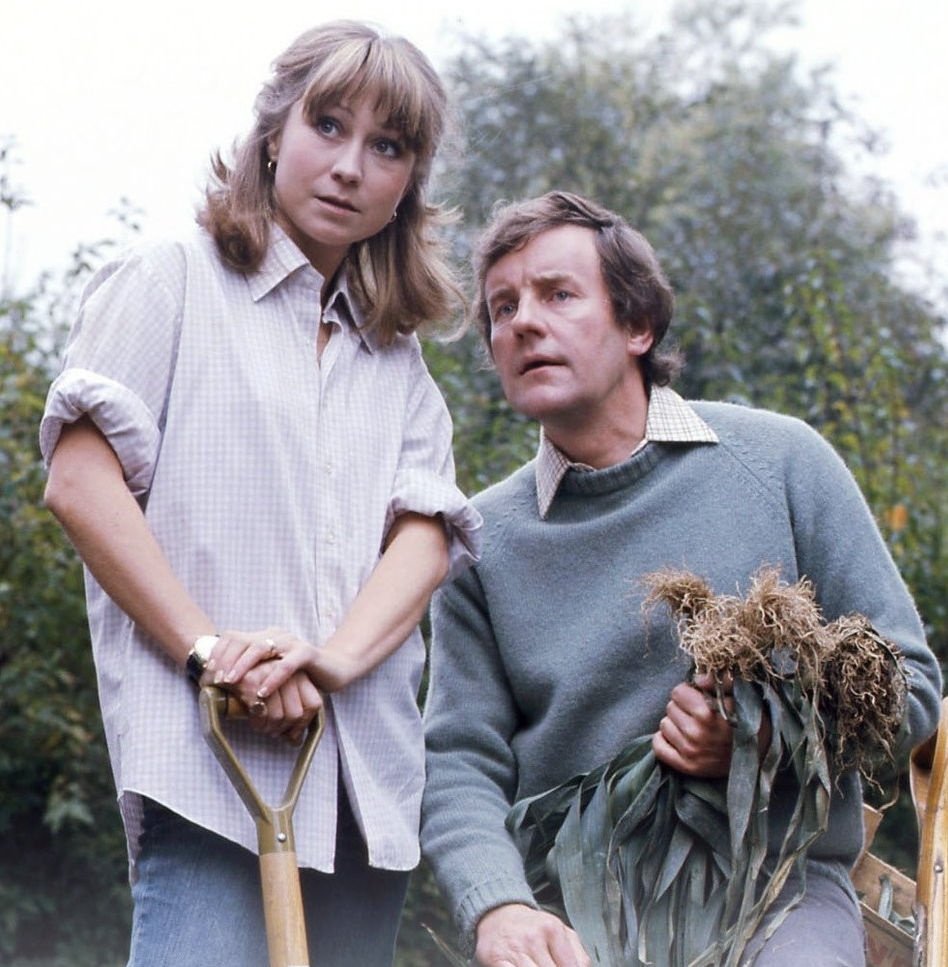
Set in the south west London neighbourhood of Surbiton, the show follows frustrated graphic designer Tom Good as he reflects on his 40th birthday and tries to crystalise a gnawing feeling of dissatisfaction into a tangible escape from the monotony of the daily grind. He is happily married to his soulmate, Barbara, but the professional treadmill has left him feeling empty. Something I think many of us can identify with.
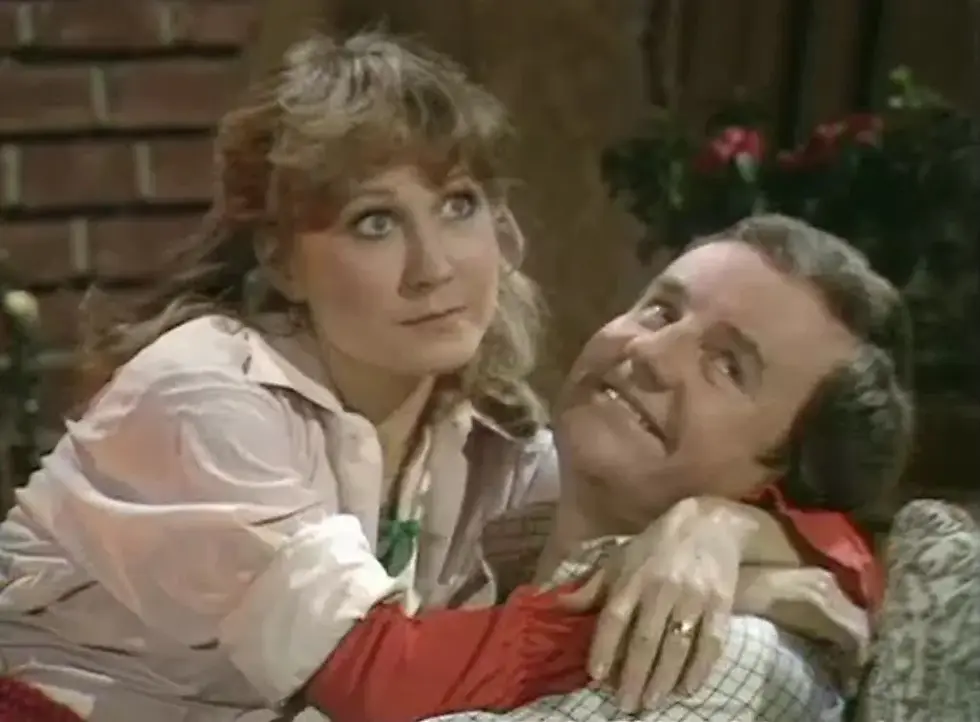
A late night of contemplation, fuelled by flat champagne and luminous yellow birthday cake, leads him to the lightbulb moment - he will leave his job so that he and Barbara can devote their time and energy to building a homesteading life of self sufficiency. In a nice twist, however, they will eschew back-to-nature conventions and, instead of selling up and retreating to a place in the country, will remain in their beloved suburban house.
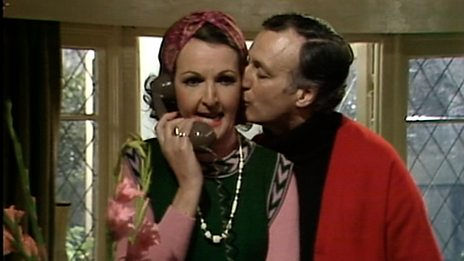
The foil to this unconventional eutopia is delivered in the shape of successful and, most importantly, respectable neighbours Margo and her 'advert for gracious living' husband, Jerry. Margo is frequently horrified by what she sees as her friends descent into degradation and constantly agitated by the impact living next door to such a shabby experiment may have on her social standing.
The anchor to the shows charm is the deeply affectionate, yet constantly antagonistic, friction in the friendship between these two opposite ways of life.
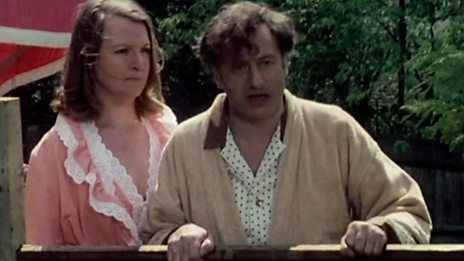
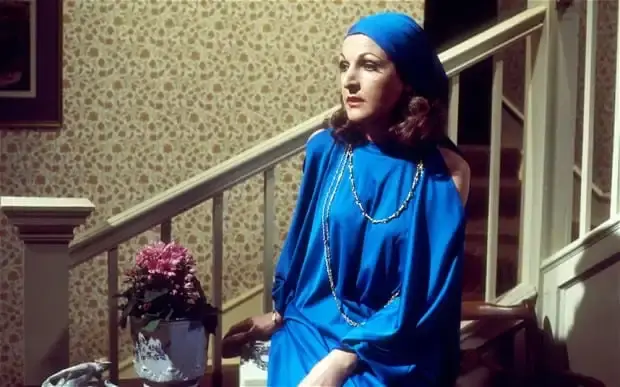
Margo may be ridiculous in her exaggerated fears about the destruction of societal norms that Tom and Barbara, in her view, encourage but she also speaks to the inbuilt NIMBY that lurks in us all. When she is woken at the crack of dawn by Tom's cheery singing and the roar of the rotary cultivator, or when she finds him trying to hide the pigs that have escaped their pen and invaded her garden, you cant help wondering how your own patience would hold up if your current next door neighbours where doing the same. She is far more self aware than first impressions indicate and yet, despite knowing that she is often a figure of fun, she refuses to change herself or compromise her values simply to fit in or seem likable. She also dresses like an absolute icon for literally every possible occasion.
Jerry, whilst usually willing to benignly ignore almost any annoyance as long as it doesn't upset his ascent up the greasy corporate pole, is a charming depiction of that side of us that enjoys the finer things. Whilst we all enjoy the cosy whimsy of Tom and Barbara's home made Christmas, anyone who claims they aren't also dying with curiosity to know what manner of goodies Margo sent back when her Christmas in a van was rejected because the tree was six and a quarter inches too short is a damn dirty liar.
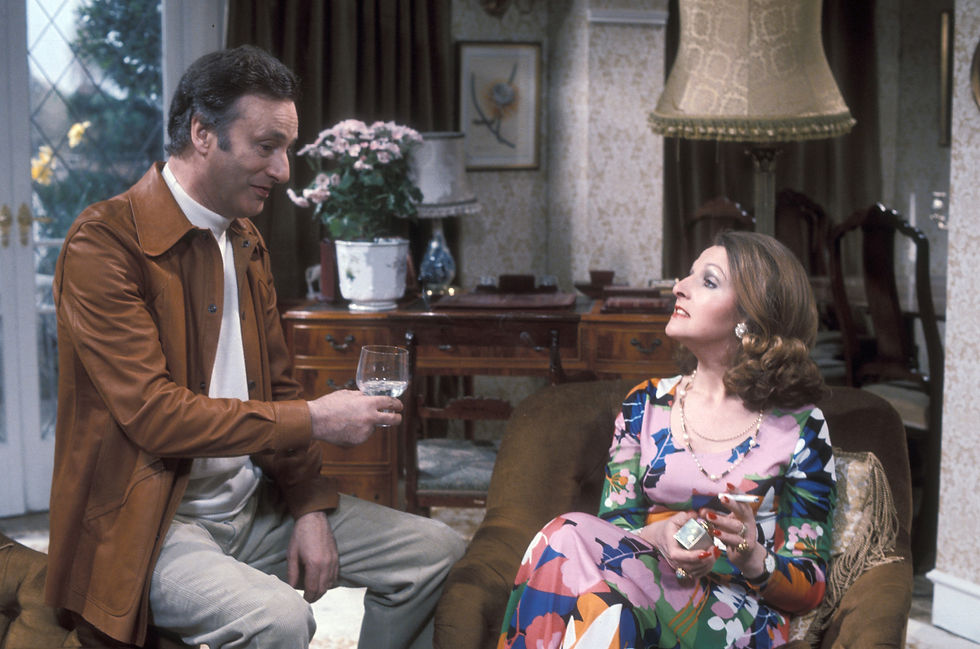
The reason the show endures is because each of the four main characters is so identifiably relatable to different facets of ourselves.
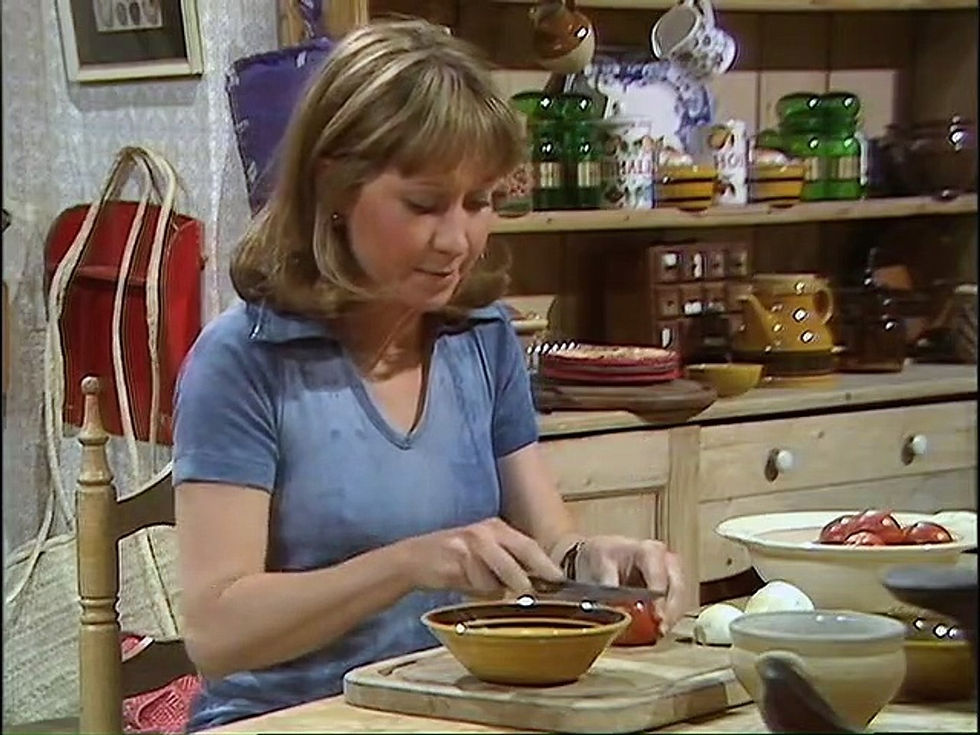
Barbara, wide eyed, enthusiastic and quick witted, works to make her husbands dreams a reality but does so whilst clear on her own boundaries and priorities. She doesn't need luxury or excess but, as she makes clear when her last posh frock is ruined, she is not willing to surrender her right to feel glamorous or feminine whenever she chooses to. The message that she is actively choosing this life, and not simply being towed along in her husbands wake, is one that is revisited frequently throughout the series, as well as repeated nods to the idea that many 'simply life' skills that Tom thinks they need to hone for this new adventure are actually activities that Barbara, and women like her in generations of households, have quietly done for years. Creative cooking to make the most of available food, budgeting and crafts such as sewing, darning, knitting and other clothing repairs are all tasks that she knows how to do as she was doing them regardless of her husbands income. Who knew that Felicity Kendal was championing underrated craft skills of women decades before Hank Green apparently discovered them?
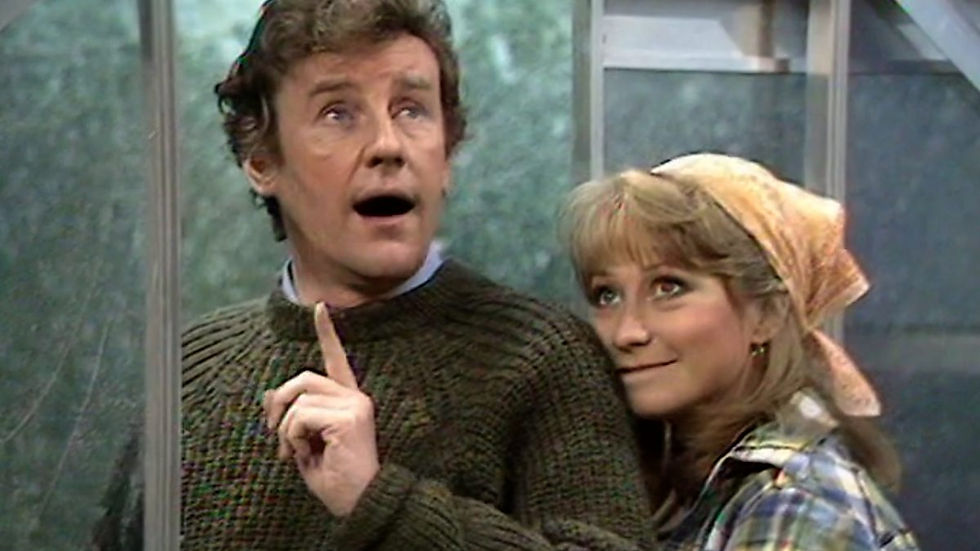
Despite Margo regularly fretting that Barbara is the victim of a patriarchal expectation for wives to give way to the whims of their husbands, it is repeatedly made clear that Barbara is a driving force in the success of their lifestyle and that Tom, whilst frequently seeming entirely oblivious, knows that he couldnt do it without her.
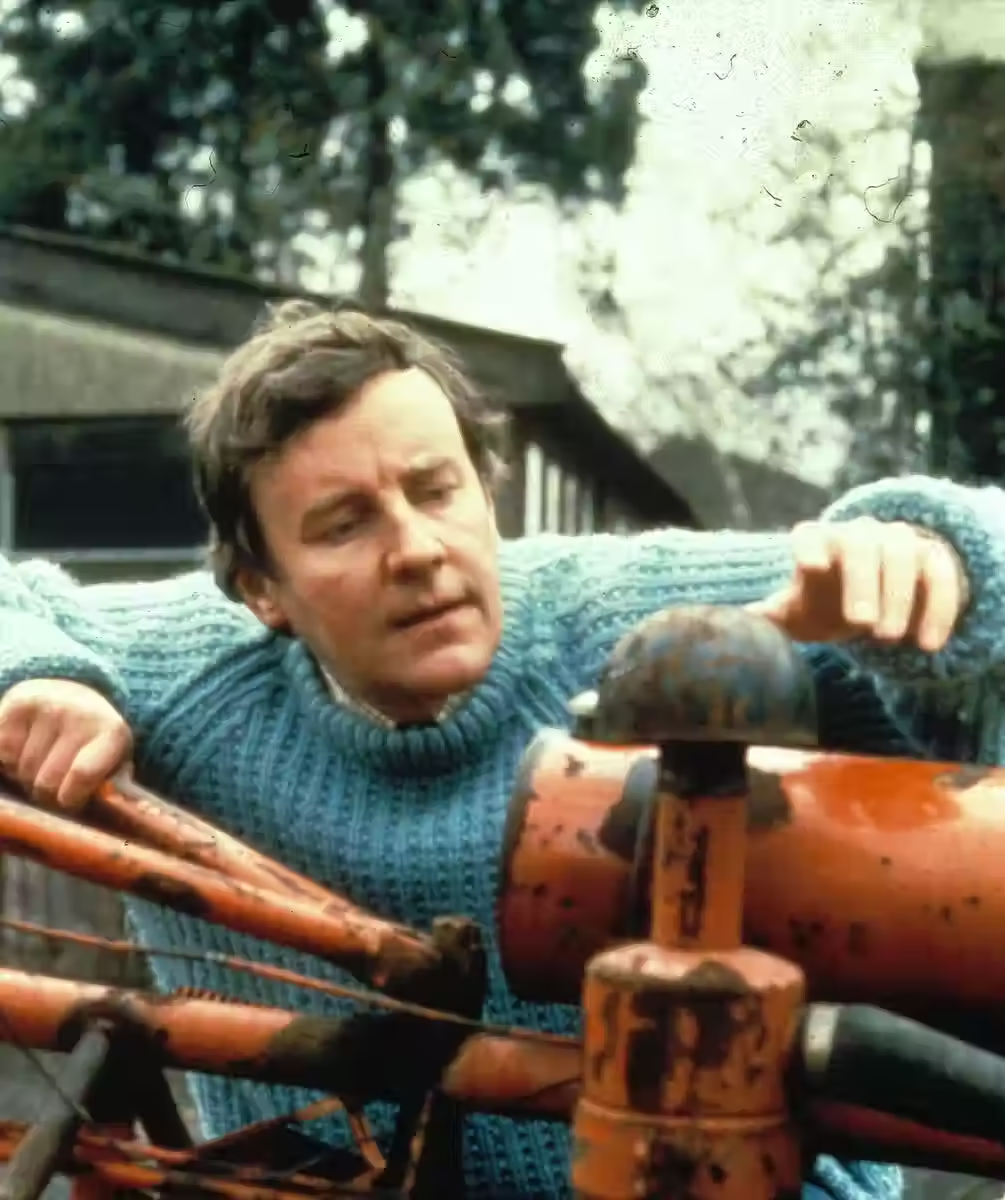
Which brings us to Tom. Infuriating and lovable in equal measure, he is the child in all of us. The one who had dreams and probably would have been more than a little disappointed to know who we would grow up to become. His boyish enthusiasm is at the core of the story, a healthy inability to take anything too seriously mixed with a strict adherance to the wisdom gleened from his Boys Book of Knowledge. He manages to combine innapropriate sense of humour with a willingness to get on with anyone and his desire to be left alone to live the way he chooses leads him to be extremely tolerant of anyone else wanting to live any way they choose. Whistling as he goes, he is the part of us that still hopes we'll crack it and find a way to live our own Good Life.
Currently available to stream on both ITVX and BBC iPlayer, I cannot recommend a rewatch of this wonderful show highly enough. There isnt a dud episode amongst them, although series 3 does feature 'I Talk to Trees' and 'The Windbreak War' which are two of my personal favourites. A true classic in every sense of the word.

Comments